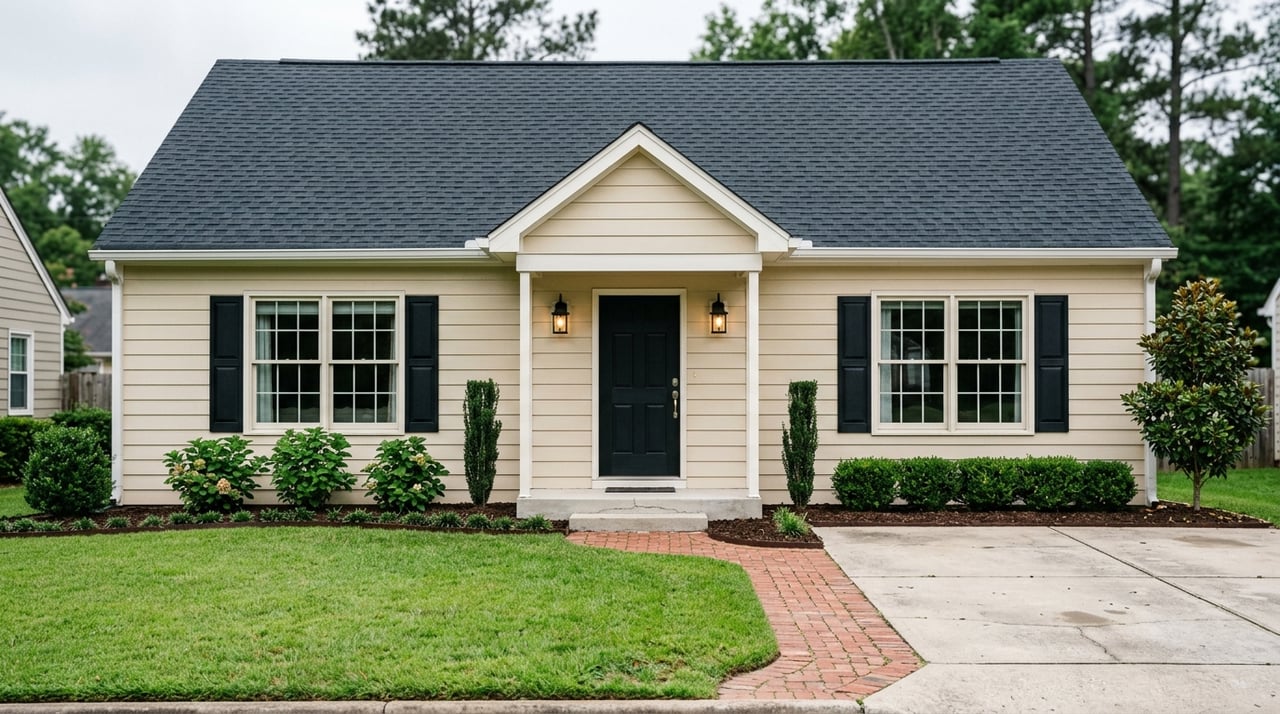
If you are shopping for a home in Villa Rica, the HOA can shape your monthly budget just as much as the mortgage. That matters because a Villa Rica address can mean very different fees, amenities, and rules depending on the neighborhood, county, and whether the home is even inside city limits. In this guide, you will learn what HOA living often looks like in Villa Rica, what questions to ask before you make an offer, and how to compare communities with confidence. Let’s dive in.
Why HOA living varies in Villa Rica
Villa Rica is a growing West Georgia city, with a July 1, 2025 population estimate of 21,022. Census QuickFacts also reports an owner-occupied housing rate of 65.2% and a median owner-occupied home value of $274,200 for 2020 through 2024. Those numbers help frame the local market, but they do not tell the full story of how neighborhood costs can differ.
One important detail is geography. The Georgia Department of Community Affairs lists planning documents for Villa Rica in both Carroll and Douglas counties, so county lines can affect taxes and services. In other words, two homes with a Villa Rica mailing address may come with different local factors.
That distinction matters in well-known communities too. Mirror Lake says it is located in Villa Rica and spans Douglas and Carroll counties, while Fairfield Plantation says it is between Villa Rica and Carrollton in Carroll County and outside city limits, even though residents use a Villa Rica post office. If you are comparing homes, it is smart to confirm the actual jurisdiction instead of relying on the mailing address alone.
What HOA dues may cover
Many buyers assume HOA dues mostly pay for entrance signs or lawn care. In reality, dues can support a much broader set of shared expenses, and they are usually paid separately from your mortgage. That means you should treat them as their own line item when you build your monthly housing budget.
Along with principal, interest, taxes, and insurance, you will want to account for utilities, maintenance, and HOA fees. In some communities, that extra cost is modest. In amenity-rich neighborhoods, it can be a meaningful part of your monthly payment.
In the Villa Rica area, HOA dues may help fund things like:
- Landscaping and common-area maintenance
- Pools and playgrounds
- Tennis and pickleball courts
- Gate operations and community management
- Lake access and recreation areas
- Club-related amenities
Mirror Lake offers a good example of how broad the amenity package can be. Its official site describes a planned community with more than 1,300 homes, a resident-led board, pools, playgrounds, tennis and pickleball courts, a lake, and optional golf-course access. The community also uses resident fobs for amenities, and access depends on being current on assessments.
Fairfield Plantation shows a different model. The association describes a private gated community on more than 2,400 acres with about 300 acres of lakes, plus golf, tennis, dining, boating, a beach, walking and nature trails, a recreation center, and playgrounds. If you love built-in recreation, that kind of setup may feel worth the dues. If you prefer lower recurring costs, you may want to compare it carefully against communities with fewer amenities.
HOA rules can affect daily life
HOA living is not only about cost. It is also about how the community manages appearance, maintenance, and shared spaces. Georgia law requires lot owners and occupants to comply with lawful association documents and reasonable rules adopted by the association.
For buyers, that usually means reading beyond the listing description. A home may look perfect today, but your plans for a fence, new paint color, pool, or landscaping changes may still need approval after closing. That is why the rules matter as much as the amenities.
Exterior changes often need approval
In Villa Rica HOA communities, advance approval for exterior work is common. Mirror Lake’s architectural request form says exterior construction, additions, or alterations cannot begin until plans are submitted and approved by the Architectural Review Committee. The form specifically mentions items like paint colors, roof colors, fences, landscaping, docks, pools, screened porches, spas, structural additions, and tree removal.
Mirror Lake also notes that starting work before approval can trigger a $250 fine. For a buyer, that is a reminder to check the process early, especially if you already know you want to personalize the property. Even simple changes may fall under review.
Fairfield Plantation follows a similar structure. Its property compliance pages include request categories for fences, driveways or parking pads, landscaping, modifications, pools, propane tanks, seawalls, detached structures, and tree removal. If you are choosing between communities, comparing the approval process can be just as important as comparing square footage or lot size.
Amenity and use rules may be detailed
Rules can also cover how residents use community features. In Mirror Lake, published rules include rental standards, amenity keys, golf carts, and watercraft registration. The community notes a 12-month minimum lease term, amenity access only for accounts in good standing, and registration and insurance requirements for golf carts.
This is where lifestyle fit really comes into focus. Some buyers appreciate the structure because it helps maintain consistency and shared access. Others may find the limits too restrictive for how they want to live in the home.
The tradeoff of HOA living
For many buyers, HOA living comes with a simple tradeoff. You may get visual consistency, shared amenities, and a more managed neighborhood experience. At the same time, you may give up some flexibility in how you use or modify your property.
That does not make HOA living good or bad. It just means the right choice depends on your priorities. If you want pools, trails, tennis, gate access, or a more structured environment, an HOA community may be a great fit. If you value fewer rules and more freedom for exterior changes, a non-HOA or lighter-HOA option may suit you better.
What Georgia law means for buyers
Georgia updated parts of its property owners’ association laws through House Bill 220, effective July 1, 2024. Under the current code, associations must hold meetings at least annually and give 21 days’ notice for annual or regularly scheduled meetings. The annual meeting must also include reports on affairs, finances, and budget projections.
That is useful for buyers because it shows there should be a paper trail for how the association operates. Georgia law also says bylaws and articles must be maintained and furnished to a lot owner on request for a reasonable charge. Associations must also keep detailed minutes and financial records.
Another key point is that assessments can become a lien on the lot. Georgia law gives owners, lenders, and contract purchasers the right to request a statement of amounts due. Before closing, you will want to verify whether there are unpaid dues, late charges, fines, or special assessments tied to the property.
How to review an HOA before you offer
A smart HOA review helps you avoid surprises after you move in. You are not just buying the house. You are also buying into the fee structure, rules, and management style of the community.
Here are some of the most important questions to ask before you make an offer in Villa Rica:
- What are the regular dues?
- When are dues paid?
- What exactly do the dues cover?
- Are any special assessments pending or expected in the next 12 months?
- Can the seller provide the declaration, bylaws, rules, current budget, and recent annual meeting packet?
- Are there unpaid dues, fines, or other balances tied to the property?
- Has the association issued a current payoff or statement of amounts due?
- What is the architectural approval process for things like fences, paint, roofs, pools, landscaping, docks, or additions?
- How long does approval usually take?
- What are the rules for rentals, parking, signs, guest access, and amenity use?
- Are golf carts, amenity fobs, or watercraft registrations current if those apply?
- Is the home inside Villa Rica city limits, or is it in Carroll County, Douglas County, or both?
That last question is especially important in this area. Since a Villa Rica mailing address does not always match city boundaries, verifying location can help you understand taxes and service expectations more clearly.
A practical way to compare communities
When you look at HOA neighborhoods in Villa Rica, try to compare them in three buckets: cost, rules, and lifestyle. This keeps you focused on how the community fits your real day-to-day needs.
Cost includes regular dues and the possibility of special assessments. Since HOA dues are usually separate from the mortgage, make sure you model them as a separate monthly expense instead of assuming they are included in your loan payment.
Rules cover approvals, restrictions, and enforcement. If you are planning a fence, a new roof color, a pool, or even major landscaping changes, those details can matter right away.
Lifestyle is about whether you will actually use what you are paying for. A neighborhood with lakes, trails, tennis courts, or gated entry may be a strong value if those features support how you want to live. If not, a simpler community may be the better long-term fit.
How I help buyers navigate HOA homes
When you are comparing HOA communities, clear information matters. I help buyers look beyond the photos and ask the practical questions that affect budget, use, and resale. That includes reviewing location details, helping you request the right documents, and making sure the community fits the way you want to live.
If you are exploring homes in Villa Rica, I would love to help you sort through the differences between neighborhoods so you can move forward with confidence. Connect with Tina Bantin to talk through your options.
FAQs
What do HOA dues usually cover in Villa Rica neighborhoods?
- HOA dues in Villa Rica can cover common-area maintenance, landscaping, pools, playgrounds, courts, gate operations, lake access, and other shared amenities, depending on the community.
Do Villa Rica HOA fees get included in the mortgage payment?
- Usually no. HOA dues are generally paid separately from the mortgage, so you should budget for them as an extra monthly housing cost.
Are all Villa Rica neighborhoods inside Villa Rica city limits?
- No. Some communities with a Villa Rica mailing address may be outside city limits or located in Carroll County, Douglas County, or both.
Do HOA communities in Villa Rica require approval for home changes?
- Many do. Communities such as Mirror Lake and Fairfield Plantation publish approval processes for items like fences, paint, landscaping, pools, and other exterior modifications.
What HOA documents should buyers request before closing in Georgia?
- Ask for the declaration, bylaws, rules, current budget, recent annual meeting packet, and a current statement showing any dues, fines, late charges, or special assessments tied to the property.
Can unpaid HOA dues affect a home purchase in Villa Rica?
- Yes. Under Georgia law, assessments can become a lien on the lot, so it is important to verify any unpaid amounts before closing.