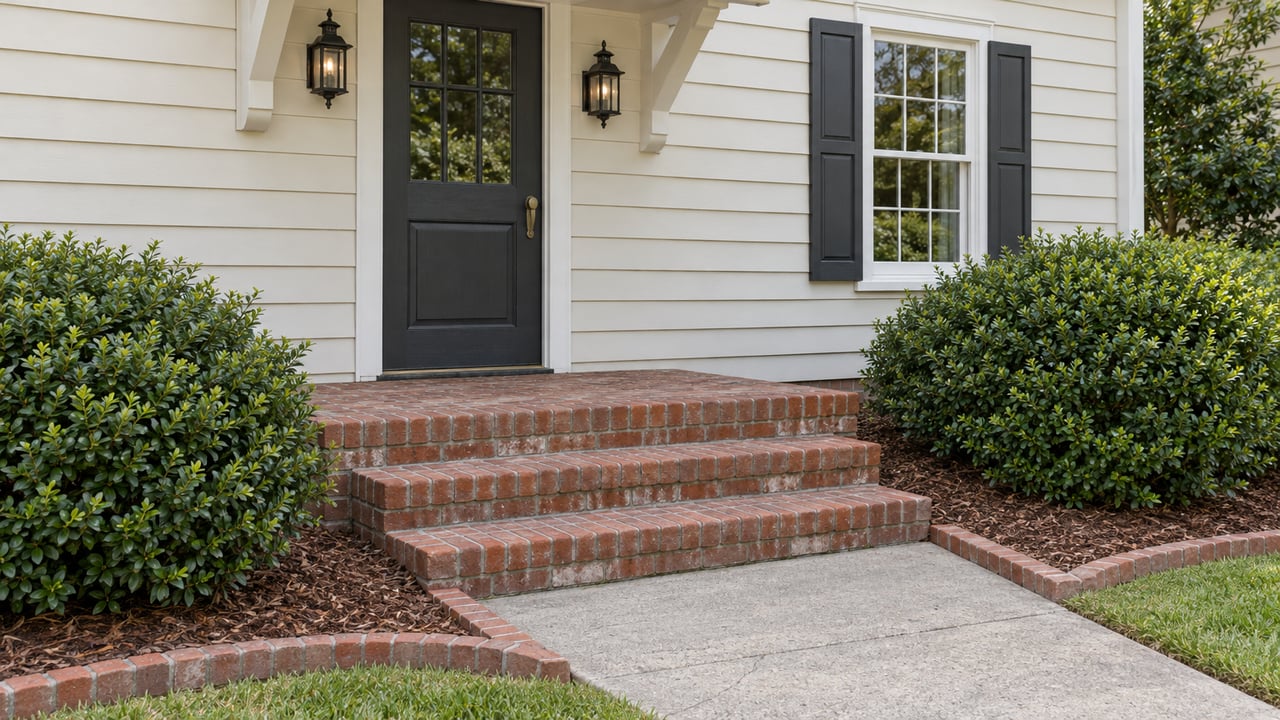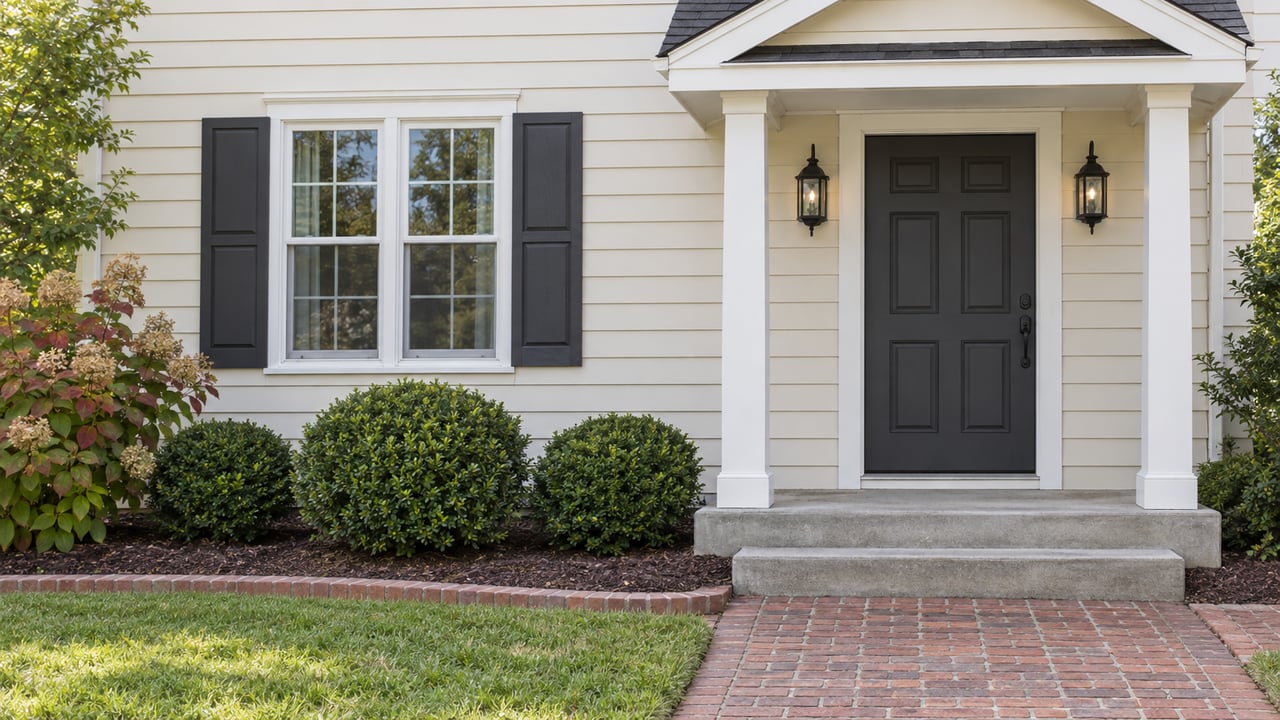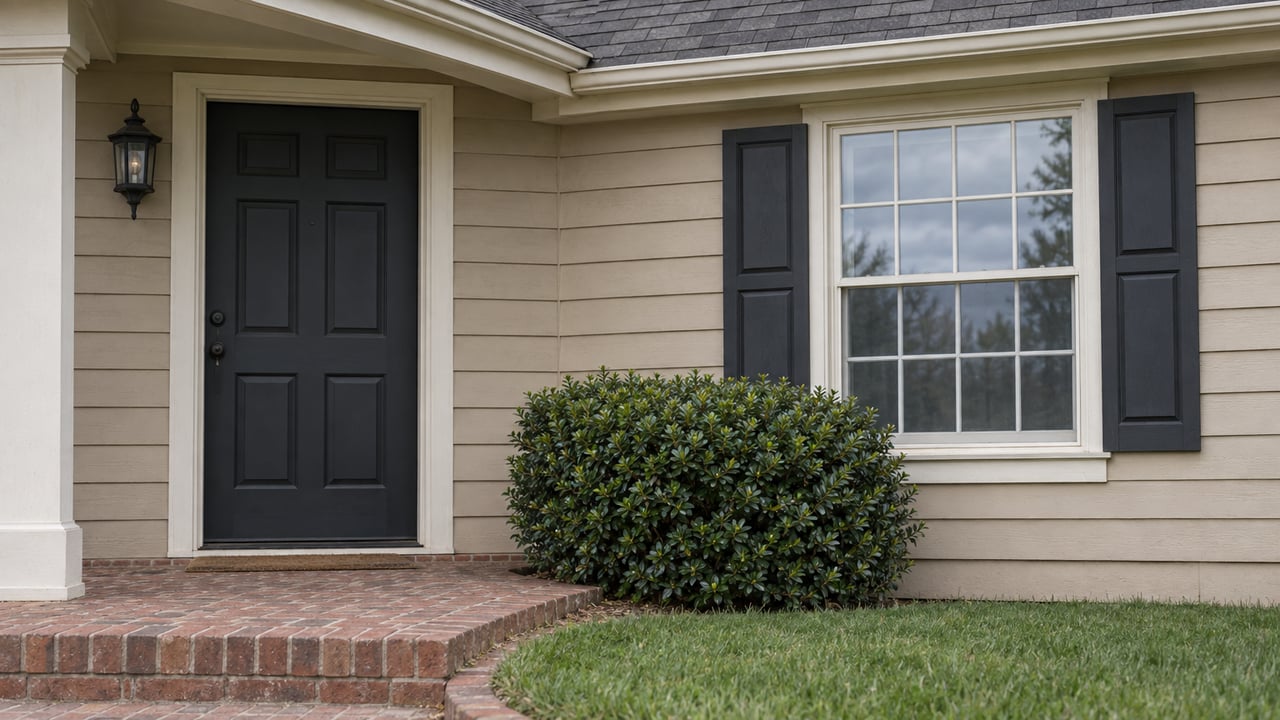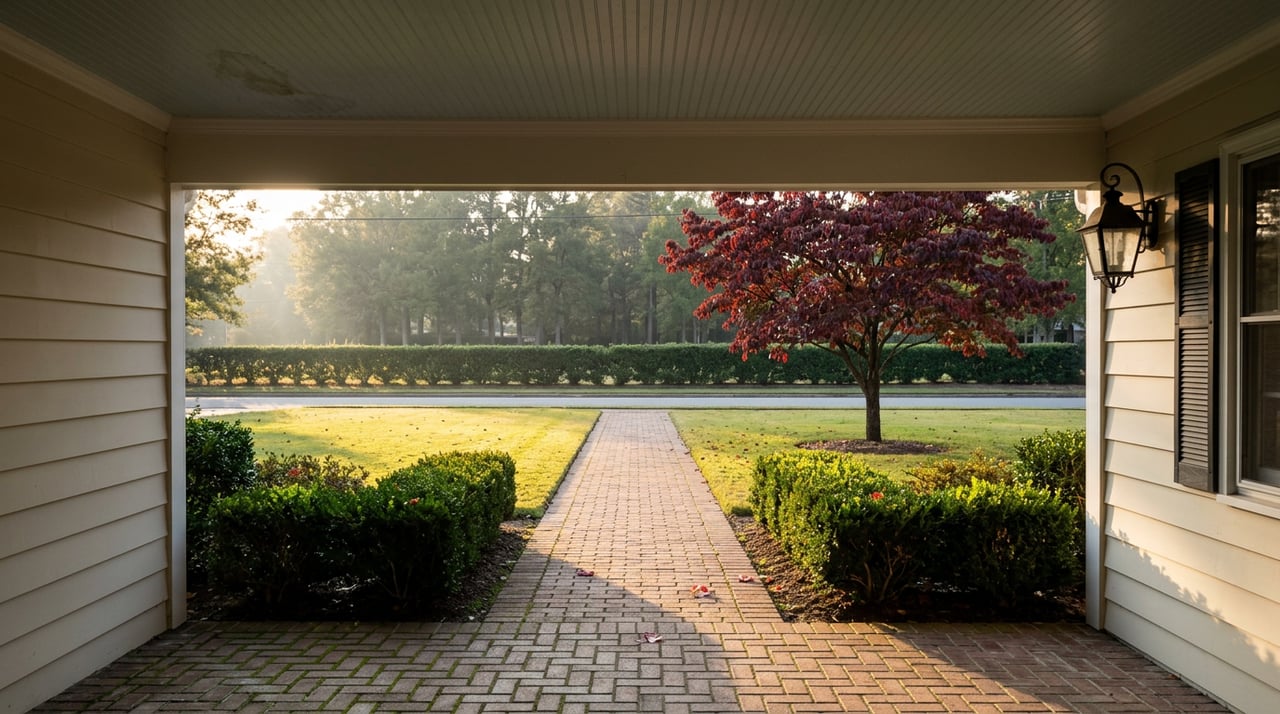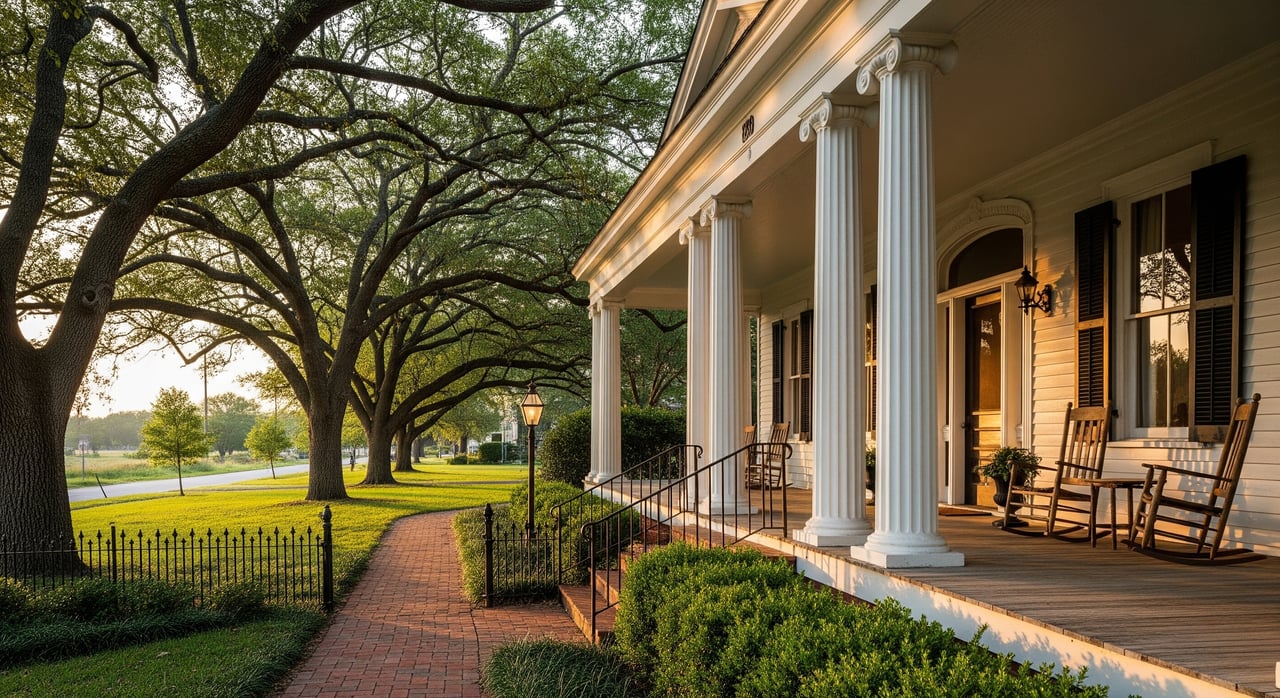
Picture yourself sipping coffee on a wide front porch while the courthouse clock chimes a few blocks away. If you love charming streets, lively weekends, and homes with character, Newnan’s historic district might be a great fit. You want to know what daily life looks like, what kinds of homes are available, and the practical trade-offs that come with an in-town historic lifestyle. This guide walks you through it, from walkability and events to renovation rules and buying tips. Let’s dive in.
Where the historic district fits
Newnan sits in Coweta County on the west side of Metro Atlanta, with easy access to I-85 for commuters. The historic district clusters around the courthouse square and the surrounding streets, where late-19th and early-20th century homes create a classic small-city setting.
You get the best of both worlds here. Downtown supports local life with services and community institutions, yet you still have a workable commute to parts of Atlanta. That mix attracts a wide range of buyers who want character and convenience.
Walkable, small-city lifestyle
Coffee, errands, and time on the square
You can run many of your short errands on foot. Sidewalks connect you to independent restaurants and cafes, antique and specialty shops, galleries, boutiques, and services near the square. Regular community events are common in southern small-city downtowns, including farmers markets, seasonal festivals, concerts, and holiday parades, which make weekends feel festive and connected.
Nearby amenities and services
Public amenities, like municipal parks, a library, and community facilities, are within or near the core. Larger shopping centers and big-box retail are usually a short drive away. You can pair a walkable daily routine with quick access to broader retail options as needed.
Streetscape and daily rhythm
Expect mature canopy trees, older sidewalks, and narrower streets that slow traffic and add to the historic feel. On-street parking is common, and some homes have limited off-street parking.
Activity levels change by block. The square can be lively during events and peak dining hours. Residential streets a few blocks out often feel quieter, though you may still hear event noise or evening activity when things are busy downtown.
Home styles you will see
Historic Newnan showcases a range of architectural styles:
- Victorian and Queen Anne with ornamental trim, steep roofs, and wrap-around porches.
- Craftsman and Bungalow homes with low-pitched roofs, broad porches, and exposed rafter tails.
- Colonial Revival and Greek Revival elements in some older residences.
- Shotgun cottages and smaller vernacular houses on select blocks.
- Downtown adaptive reuse with upper-floor apartments over storefronts.
Lots tend to be smaller than in newer suburbs, typically with mature landscaping. If you value character and established streets, you will likely appreciate these details.
Renovation realities and maintenance
Many homes have been lovingly restored, while others still need significant updates, like electrical, plumbing, HVAC, insulation, roof, or foundation work. If a listing does not document recent upgrades, budget for improvements.
If a property lies within a locally regulated historic district, visible exterior changes often require review by the City of Newnan’s planning or historic preservation staff. Reviews typically focus on siding, windows, porches, additions, rooflines, and new construction on contributing lots. Plan ahead if you want to modify the exterior, and seek guidance early.
Some original materials may be protected or guided by design standards. That is part of what preserves the district’s character, but it also means you should confirm what is allowed before you replace features like windows or porch columns.
How the market typically looks
You will see a range of options, from smaller cottages that can be entry-level for the district to mid-range renovated Victorians and Craftsman homes, and larger, fully restored historic residences at the higher end. Renovated, turnkey homes command premiums, while properties that need major work may offer lower upfront prices but higher near-term investment.
Price drivers often include proximity to the courthouse square, level of renovation and finish, lot size, parking, and whether modern mechanical systems are in place. Buyers here include local professionals, those seeking a walkable in-town lifestyle, some retirees, and people relocating from elsewhere in Metro Atlanta who want a historic-downtown experience.
Practical trade-offs to consider
- Parking. On-street parking is common, and some homes have limited private parking. You may trade a large yard or garage for proximity to downtown amenities.
- Space and layout. Historic homes can have smaller closets, compact kitchens, and multi-level floor plans. Renovations help, but you may balance character with modern convenience.
- Activity and noise. Living near the square means you may hear event noise at times. If you prefer quiet evenings, consider homes a few blocks further out.
Rules and approvals you should know
If your property is within a regulated historic district, you will likely need approval for visible exterior changes. The City of Newnan’s planning department or historic preservation commission can clarify which addresses are regulated, what the design guidelines say, and what applications are required.
Some tax-credit programs may be available for certified rehabilitation of income-producing historic buildings at the federal or state level. Homeowner-specific incentives vary by program and should be confirmed with the Georgia Historic Preservation Division and city staff. If you are considering a significant rehab, it is wise to explore options before you begin.
Inspections, insurance, and financing
Schedule thorough inspections. In addition to the standard structural, pest, HVAC, electrical, and plumbing checks, consider specialized reviews for chimneys and historic cladding. These extra steps help you understand the true scope of any needed work.
Insurance for older homes can be higher or require specific coverage types, especially when original materials or construction methods are involved. Ask carriers for replacement-cost estimates and review any exclusions.
Conventional mortgages are common. If you are planning major updates, renovation loans like FHA 203(k) or Fannie Mae Homestyle can help finance both purchase and improvements in one package. Local programs may also be available, so compare options.
Commute and connectivity
Newnan often serves as a bedroom community for Metro Atlanta. With I-85 nearby, commuting is feasible, but travel times vary widely by destination and traffic. If you plan to commute, try a test drive during your typical rush-hour window.
Who this lifestyle fits
If you value a walkable routine, front-porch evenings, and a calendar filled with local events, the historic district can be a great fit. If you love character homes and do not mind a little extra maintenance, you will likely feel right at home. If you prefer a larger yard, bigger garages, or newer construction with suburban amenities, you may want to compare your options and weigh trade-offs.
Smart next steps
- Get clear on boundaries. Not every older street is inside a regulated district. Confirm addresses and rules with the City of Newnan.
- Plan your budget. Include funds for inspections, potential system upgrades, and exterior work that may require approvals.
- Explore financing. If you expect renovations, compare renovation-loan options early in your process.
- Verify services. Many day-to-day needs are walkable or a short drive away. Map your most frequent stops.
- Check school assignments. Newnan is served by Coweta County Schools. Zoning and assignments depend on your exact address, so verify directly with the district.
If you are thinking about a move in or near the historic district, I can help you evaluate homes, understand the rules, and plan a smooth purchase. Let’s talk about your wish list and budget so you can decide with confidence. Ready to get started? Connect with Tina Bantin for local guidance and a plan that fits your timeline.
FAQs
What defines Newnan’s historic district boundaries?
- Portions of downtown and nearby residential streets are recognized for historical and architectural significance, and some parcels fall under local design review. Always confirm the exact boundary and status for any specific address with city planning staff.
Can you change the exterior of a historic home in Newnan?
- Often not without review if the property is in a regulated district. Visible elements like siding, windows, porches, rooflines, additions, and new construction typically require approval. Contact the City of Newnan early to understand guidelines and permits.
What inspections do older homes in the district need?
- Get comprehensive structural, pest, HVAC, electrical, and plumbing inspections. Add specialized checks for chimneys and historic cladding where relevant to identify material conditions and safety needs.
Are there tax credits for renovating historic homes in Georgia?
- Some rehabilitation tax credits apply to certified projects for income-producing properties at federal or state levels. Homeowner incentives vary by program and should be confirmed with the Georgia Historic Preservation Division and local officials.
How close are groceries and services to the square?
- Many everyday needs are within a short walk or drive from the historic core. Larger supermarkets and big-box retail are usually just a quick drive away.
Is parking difficult near the square?
- On-street parking is common in historic areas, and some homes have limited private parking. If off-street parking is important to you, prioritize listings with driveways or rear-access options.
How do schools and zoning work if I buy in the district?
- Newnan is served by Coweta County Schools. School quality and assignments depend on the address, so verify current zoning and school options with the district directly before you buy.