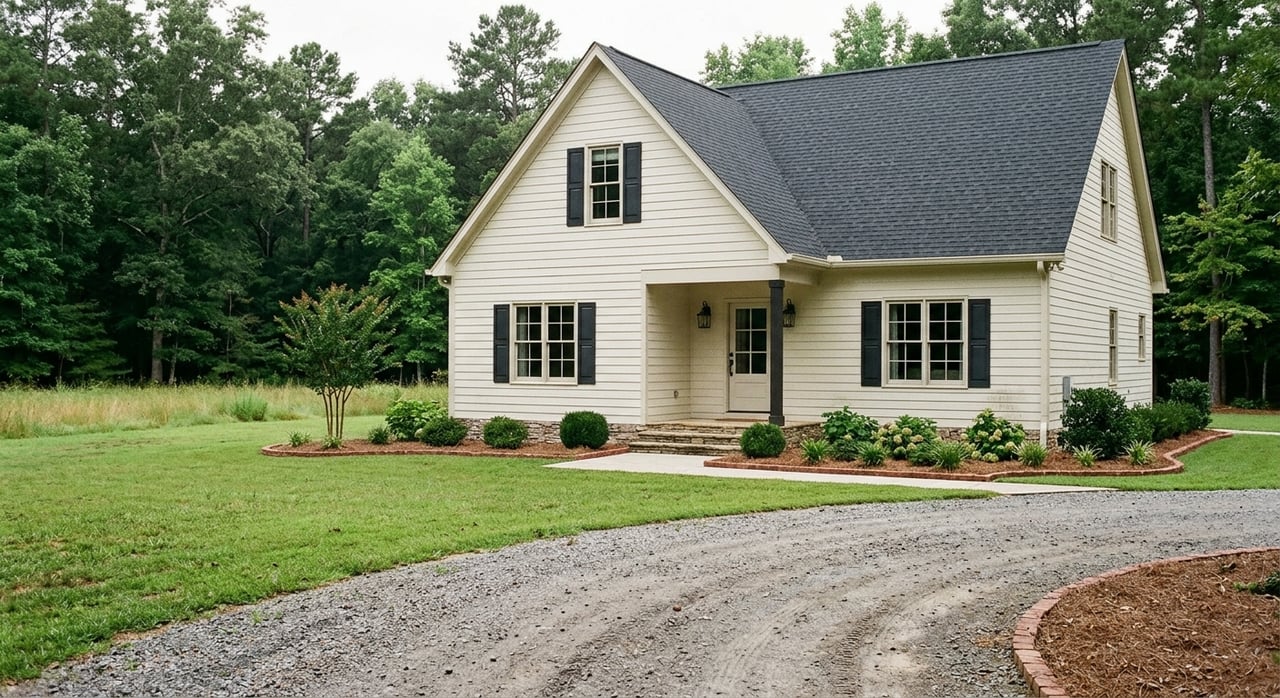
Dreaming of more space, more privacy, and a slower pace of life? Living on land in Chattahoochee Hills can offer all of that, but it also comes with a very different set of rules and realities than a typical suburban neighborhood. If you are thinking about buying acreage here, it helps to understand how the city protects its rural character, what that means for property use, and what to verify before you make an offer. Let’s dive in.
Why Chattahoochee Hills Feels Different
Chattahoochee Hills was shaped by a strong preservation mindset. The community organized in the early 2000s around controlling sprawl, and the city was incorporated in 2007 with the goal of preserving its rural character.
That long-term vision still shows up in the city’s planning and land-use rules today. According to the city code, development rights can be transferred so that more than 70% of the city remains protected as rural or natural land, while denser growth is focused in smaller areas.
If you are looking for open space, that matters. A 2011 city assessment found that 71% of land was in agricultural and forestry use, which helps explain why the area feels wooded, spacious, and far less built out than many metro Atlanta communities.
Why Acreage Living Appeals Here
For many buyers, the biggest draw is simple: you get room to breathe. Chattahoochee Hills offers a setting where land, privacy, and scenery are part of everyday life rather than a rare upgrade.
Outdoor access is another major reason people are drawn here. The city has highlighted places like Cochran Mill Park and the boat ramp at Campbellton Park, and the local code also refers to recreational access to the Chattahoochee River.
That mix of land and recreation creates a lifestyle that feels distinct. If you want a home where your surroundings matter as much as the house itself, Chattahoochee Hills stands out.
What Properties Usually Look Like
One of the first things to know is that there is no single property type that defines this area. Instead, you will find a mix of rural homes, custom homes, farmettes, and lots located in village, hamlet, or historic crossroads areas.
That matters because two properties with the same acreage may offer very different possibilities. The city’s land-use rules distinguish between rural RL land and more developed districts such as HM, VL, and HC.
In practical terms, acreage alone does not tell the whole story. A five-acre parcel in one district may have a very different future than a five-acre parcel in another.
Why Zoning Matters So Much
In Chattahoochee Hills, zoning is not just a technical detail. It can shape whether you may be able to split land later, add another home, or change how the property is used over time.
The city code specifically allows farmette subdivisions only in the RL district, and those rules are designed to preserve open space and limit land disturbance. In some districts, concept plans must be approved before the subdivision process can move forward.
The city also uses transfer of development rights, often called TDR. Under these rules, rural land may continue to be used for living or farming, but if development rights have been severed, that same land may no longer be subdivided or developed in the same way.
What That Means for Future Plans
This is where buyers need to slow down and ask better questions. If you picture a guest house, barn, workshop, or future lot split, you need to confirm whether the parcel actually allows that vision.
The answer may depend on zoning, recorded restrictions, easements, and whether any development rights were sold or transferred in the past. In this city, long-term value depends on more than acreage. It also depends on what rights still remain attached to the land.
That is why two properties that look similar online can turn out to be very different opportunities in real life. The details matter here.
Utilities Need Extra Attention
When you buy a home on land, utility questions move to the top of the list. In areas of Fulton County that are not served by public sanitary sewer, development uses onsite sewage management systems, and the Fulton County Board of Health permits and inspects those systems.
That means septic is not a side issue. It is a core part of understanding whether a property works for your needs and whether the lot is properly sized for the intended use.
Wells deserve the same level of attention. Georgia public health guidance says private wells must be installed by a licensed water-well contractor, the county health department must be notified before drilling, and well owners should test for bacteria every year and use the recommended chemical screen every three years.
Access Can Be Very Different From Suburbia
A long driveway may sound charming, but rural access needs a closer look. Chattahoochee Hills’ subdivision rules require easements where needed for utilities, water and sewer lines, and private access.
The code also says flag lots are strongly discouraged. In farmette subdivisions, private drives that serve more than five lots must meet public thoroughfare standards, although gravel thoroughfares are allowed.
That last point gives useful context for buyers coming from more typical neighborhoods. A 2011 city assessment noted that Chattahoochee Hills had 101 miles of roads, including 34 miles of gravel roads, so road conditions and access style may feel very different from a curb-and-gutter subdivision.
Large Parcels Can Have Small Buildable Areas
This is one of the most important realities to understand before buying land. A parcel may look large on paper and still have a limited practical building envelope.
The city code requires buildable area outside setbacks, buffers, floodplains, stream buffers, wetlands, steep slopes, and other unbuildable site features. So while the total acreage may sound impressive, the usable area for building could be much smaller.
If a property touches a stream, includes steep terrain, or has unusual access, those details deserve careful review early in the process. It is much better to learn that before closing than after.
Due Diligence Is Part of the Lifestyle
Owning land in Chattahoochee Hills can be rewarding, but it usually requires more homework than buying a standard suburban lot. The same rules that help protect the area’s rural character also mean you need to verify what you are really buying.
Depending on the property, it may be appropriate to consult a surveyor, septic professional, and sometimes an engineer before closing. That is especially true if the parcel includes stream areas, unusual road frontage, or protected open space.
The goal is not to make the process feel overwhelming. It is to help you make a confident decision based on how you want to live now and what you may want the property to do for you later.
Smart Questions To Ask Before You Offer
If you are seriously considering acreage in Chattahoochee Hills, these are some of the most useful questions to ask early:
- What zoning district is the parcel in, such as RL, HM, VL, or HC?
- Is public sewer available, or should you expect septic and county health review?
- Is there a private well, and when was the water last tested?
- Are there recorded conservation easements, TDRs, or access easements affecting future use?
- Do stream buffers, wetlands, floodplain areas, or steep slopes reduce the buildable area?
- Does the driveway or private road meet the city’s access expectations, especially if it serves multiple lots?
These questions can save you time, money, and frustration. More importantly, they can help you separate a beautiful piece of land from a property that truly fits your goals.
The Bottom Line on Living on Land Here
Chattahoochee Hills offers something many buyers want and fewer places can still deliver: space, scenery, outdoor access, and a community identity built around protecting rural land. That is a big part of its appeal.
At the same time, buying land here is not just about finding acreage. It is about understanding zoning, access, utilities, site conditions, and any conservation tools or restrictions tied to the property.
If you want help evaluating homes with land and understanding how the details may affect your plans, Tina Bantin would love to help you navigate the process with clear guidance and local insight.
FAQs
What makes living on land in Chattahoochee Hills different from living in a typical suburb?
- Chattahoochee Hills is intentionally planned to preserve rural and natural land, so you will often find more open space, wooded surroundings, gravel roads, and property-specific due diligence than in a standard suburban neighborhood.
What should buyers know about zoning in Chattahoochee Hills?
- Buyers should confirm the property’s zoning district because parcels in RL, HM, VL, and HC areas may have different rules for use, subdivision, and future development.
What should buyers check about septic systems in Chattahoochee Hills?
- If public sewer is not available, you should expect an onsite sewage management system that falls under Fulton County Board of Health permitting and inspection requirements.
What should buyers check about private wells in Chattahoochee Hills?
- Buyers should ask whether the property has a private well, when it was last tested, and whether the well was installed under Georgia’s required process for licensed contractors and county notification.
Can a large parcel in Chattahoochee Hills still have limited building options?
- Yes. Setbacks, buffers, floodplains, wetlands, steep slopes, stream buffers, and access requirements can reduce the practical buildable area even when the total acreage looks generous.
Why should buyers ask about development rights in Chattahoochee Hills?
- Because transfer of development rights and other recorded restrictions can affect whether land may be subdivided or developed in the future, even if it can still be used for living or farming.