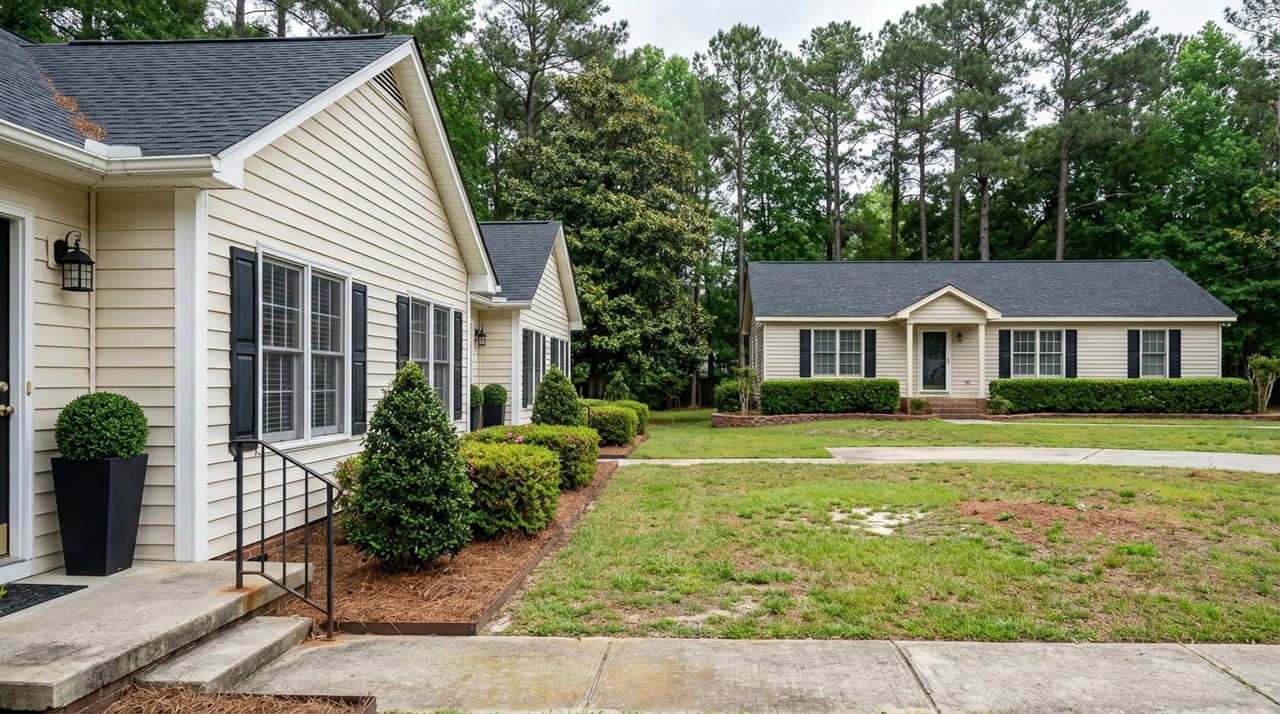
Torn between a low-maintenance townhome and a classic single-family house in Peachtree City? You’re not alone. With golf-cart paths, lakes, and distinct neighborhoods, the right fit depends on how you live day to day and what you want to spend each month. In this guide, you’ll compare upkeep, HOAs, insurance, financing, locations, and lifestyle tradeoffs so you can choose with confidence. Let’s dive in.
Quick look at Peachtree City living
Peachtree City’s 100-plus miles of multi-use golf-cart paths connect neighborhoods to shopping, schools, and parks, which shapes how you run errands and enjoy the outdoors. You can review the city’s official overview of the paths and golf carts to see how access works community by community.
Lakes also play a role in lifestyle. Lake Peachtree, Lake Kedron, and Lake McIntosh offer scenic views and recreation, with defined rules and public access points listed on the city’s lakes and fishing page. Many buyers choose locations based on proximity to the lakes or the path network.
On pricing, values have risen over time. As a baseline, DataUSA reported a 2023 median property value around $461,000 for Peachtree City. You can see the city profile and commute context on DataUSA. Commutes average about 28 to 29 minutes, but your actual time will depend on your route and destination.
Townhome vs house: what changes
Maintenance and HOA coverage
Townhomes in Peachtree City often sit within homeowner associations. Dues commonly cover exterior building maintenance, landscaping of common areas, pest control, and shared amenities such as pools or tennis courts. In several local communities, recent listings have shown dues in the ballpark of $3,000 to $4,200 per year, which lowers your weekend chores but increases your monthly cost. Always confirm what the HOA covers so you know which items remain your responsibility inside the home.
Detached single-family homes typically shift exterior upkeep to you. That includes the yard, roof, exterior paint or siding, and driveway. Some neighborhoods have modest HOAs and others have none, so rules and shared costs vary. Verify the specific subdivision’s covenants and requirements before you buy.
Routine upkeep costs
If you choose a single-family home and prefer to hire out yard care, budget for a recurring service. Lawn and landscape maintenance typically runs about $100 to $200 or more per month depending on lot size and scope, with seasonal cleanups extra. You can explore typical ranges through HomeAdvisor’s lawn maintenance guide.
With townhomes and condos, the association often handles exterior items and reserves for big-ticket elements such as roofs or siding. That can reduce surprise repairs at the unit level, but you should still review the HOA’s finances. Associations with low reserves can levy special assessments. The Community Associations Institute outlines the key documents to request, including budgets, reserve studies, meeting minutes, and the history of special assessments. See CAI’s buyer checklist here: what to ask before you buy.
Insurance differences
Townhome and condo communities usually carry a master insurance policy for common areas and, in some cases, exterior building elements. As an owner, you’ll likely need an HO-6 policy for interior finishes and personal property. The exact coverage you need depends on whether the master policy is “walls-in” or “walls-out.” For a clear primer on HO-6 coverage and loss assessment, review this condo insurance guide.
Single-family owners typically carry a standard homeowners policy that covers the structure, personal property, and liability for the entire home site. There is no shared master policy, which means no shared assessment risk, but you are responsible for insuring the full structure.
Financing and resale
Lenders include HOA dues in your debt-to-income ratio, which means higher dues can affect how much you qualify to borrow. Some attached communities may also have added underwriting steps, so you’ll want to share HOA details with your lender early. For a practical overview, see Bankrate’s guide to buying a townhouse.
On resale, detached homes often command a premium for lot size and privacy. Townhomes tend to price below similar-location detached homes and appeal to buyers who value lower maintenance or proximity to amenities. In Peachtree City, townhome pricing varies widely by location, community age, and features like path or lake access.
Where you’ll find each in Peachtree City
Townhome hotspots
You’ll see clusters of townhomes near mixed-use hubs and lake areas. Communities around Lake Peachtree, for example, offer low-maintenance living with quick access to the path network. Townhomes near The Avenue shopping center are popular with buyers who want dining and retail close by; explore the center’s tenant mix on the Avenue directory.
Legacy-style townhome communities with amenities like pools or tennis are another local option. These often include extensive exterior coverage through the HOA, which helps if you want a lock-and-leave setup.
Single-family neighborhoods
Detached homes dominate the traditional village areas such as Braelinn, Kedron, Glenloch, Wilksmoor, and Aberdeen. Many of these neighborhoods have direct cart-path links to parks, shopping, and schools, which can reduce car trips for daily errands. See how the path network weaves through the city when you compare locations.
For buyers comparing school proximity, Fayette County’s public schools are a common draw. You can review neutral, third-party ratings and info for McIntosh High School on GreatSchools. Always visit schools and review official district resources to make an informed choice.
Which fits your life stage
First-time buyers and young professionals
If you prefer lower maintenance and want to be close to shopping, dining, and the lakes, a townhome near the path network can be a great fit. You’ll trade yard work for an HOA fee, so compare monthly dues with what you would spend on lawn care and periodic exterior repairs in a house. Share the HOA budget and insurance certificates with your lender and insurance agent early to streamline underwriting.
Growing households
Detached homes often deliver more bedrooms, storage, and private outdoor space. That extra room can make daily life simpler, and direct cart-path connections can help with after-school activities and weekend outings. Plan for routine yard care and set aside reserves for future roof or exterior needs.
Empty nesters and downsizers
A townhome or low-maintenance detached cottage near the path network can deliver lock-and-leave convenience without giving up access to lakes, parks, and community events. Many buyers in this stage prioritize shorter to-do lists and easy mobility around town.
Investors
Some townhomes attract strong renter demand thanks to location and amenity access. Rental policies vary widely by community, so review the HOA’s covenants, rental limits, and any occupancy caps. CAI’s list of documents is a helpful starting point for due diligence: what to ask before you buy.
Cost snapshot: sample monthly comparison
Use these rough examples to frame your budget. Your actual numbers will depend on the specific property, lender terms, and insurance quotes.
Townhome example
- HOA dues: about $350 per month in a community where annual dues run near $4,200 and typically include exterior upkeep, landscaping, and amenities.
- Insurance: an HO-6 policy to cover interior finishes and personal property; consider loss assessment coverage. See this HO-6 overview.
- Time tradeoff: far fewer exterior chores, which can be a lifestyle benefit.
Single-family example
- Yard care: about $100 to $200 or more per month for routine maintenance, plus seasonal services, based on HomeAdvisor’s guide.
- Insurance: a standard homeowners policy that covers the entire structure and site.
- Reserve planning: set aside funds for roof, exterior paint or siding, and driveway over time.
Property taxes: The city portion of the tax bill is based on published millage rates. For 2025, Peachtree City shows a city millage of about 5.84 mills. Your total bill also includes county and school portions. Review the city’s property tax information to see how taxes are calculated.
How to decide: a 10-minute checklist
- Monthly budget: Add up mortgage, property taxes, insurance, utilities, and either HOA dues or yard/exterior costs. Which option fits your monthly comfort zone?
- Rules and control: Are you comfortable with an HOA’s architectural standards and policies, or do you prefer full control of your exterior and yard?
- Commute and errands: Map your routes for work and frequent stops. The local average commute is about 28 to 29 minutes per DataUSA, but time varies by destination and traffic.
- Path and lake access: Do you want direct access to the golf-cart paths or proximity to the lakes? Rank these features against space needs and budget.
- HOA due diligence: Request CC&Rs, bylaws, rules, current budget and financials, the latest reserve study, insurance certificates, meeting minutes, and the history of special assessments. CAI’s buyer guide outlines these items.
- Insurance fit: For townhomes or condos, confirm whether the master policy is walls-in or walls-out and price your HO-6 accordingly. For houses, get quotes that reflect age of roof and systems.
- Noise and parking: In attached homes, visit at different times of day to evaluate shared walls and parking adequacy.
- Site conditions: For houses, check lot boundaries, mature trees, drainage, and any erosion or stormwater signs.
- Resale lens: Consider how location on the path network, proximity to lakes, and overall maintenance level will look to future buyers.
- Lender alignment: Share HOA details and dues with your lender upfront so they can model accurate debt-to-income numbers and underwriting requirements. Bankrate’s townhouse guide offers a helpful overview.
Next steps
Choosing between a townhome and a house in Peachtree City comes down to how you want to live, what you want to maintain, and what you want to spend each month. If you want a clear, side-by-side look at real homes that match your goals, reach out. I’ll help you compare monthly costs, review HOA documents, and tour locations that fit your lifestyle on and off the cart paths. Ready to start? Let’s connect with Tina Bantin.
FAQs
What defines the Peachtree City lifestyle if I’m deciding between a townhome and a house?
- The 100-plus-mile golf-cart path system and the city’s lakes shape daily life by making errands, parks, and recreation easy to reach without a car.
How do HOA dues affect mortgage approval for a townhome?
- Lenders include HOA dues in your debt-to-income ratio, which can reduce your borrowing power; share dues and HOA details early, and see Bankrate’s townhouse guide for context.
What lawn care costs should I expect with a single-family house?
- Routine yard service often runs about $100 to $200 or more per month depending on lot size and services, based on HomeAdvisor.
What HOA documents should I review before buying a townhome or condo?
- Ask for CC&Rs, bylaws, rules, current budget and financials, reserve study, insurance certificates, meeting minutes, and the history of special assessments; see CAI’s buyer checklist.
What is the average commute in Peachtree City if I work around metro Atlanta?
- The city’s average commute is about 28 to 29 minutes per DataUSA, but your time will vary by route and destination, so map your specific drive during peak hours.